Was it Menopause, Covid, or Was My Nervous System Carrying Too Much?
For a long time, I blamed COVID.
I couldn’t think clearly. Sometimes I struggled to form a thought, much less explain how I was feeling. I had brain fog, my body was changing, and I didn’t feel like myself.
Over a span of about a year or two, I had COVID three times, so naturally I assumed that all of my doom and gloom symptoms were related to that.
Then the night sweats and hot flashes arrived, and I started realizing… it was happening to me! I was in the midst of a major life change. Suddenly I had another explanation for my body betraying me. Maybe it was my hormones. It started to make sense!
By the way, I never gave menopause a second thought in my 40’s—and I regret that now. Ladies, educate yourselves before it hits you like a ton of bricks that you never saw coming!
But lately, I’ve started asking a different question. What if it wasn’t just one thing?
When I look back at those years now, I realize just how much my body had been carrying. Within the span of a year, I lost my dad, fiancé, and my dog.
And I kept going. From the outside, I probably looked like I was functioning. And in many ways, I really was. But I’ve started to wonder whether functioning and processing what we’ve been through are the same thing. Because life didn’t exactly become quiet after that.
There was COVID. Perimenopause and eventually menopause. A car accident. My husband’s cancer. His back surgeries. And another car accident that kept me out of the gym for over a year.
Only now am I beginning to understand that grief and prolonged stress don’t exist only in our thoughts. Our bodies experience it too.
What Does Grief Have to Do with Your Nervous System?
When we experience a major loss or prolonged stress, our brain and body respond too. Our nervous system is constantly taking in information and helping determine whether we’re safe, whether we need to react, and whether we can finally relax. You’ve probably heard this described as flight, flight, or freeze.
That response is useful. The question is what happens when life keeps handing us one stressful event after another, without much time between this happened and now this happened too?
Research on bereavement has found that grief can be associated with changes in the body’s stress-response system, sleep, heart rate, blood pressure, and immune and inflammatory activity. In other words, grief isn’t only something we feel emotionally. Our bodies experience it too.
When Symptoms Start Looking Like Each Other
This is where things get complicated for women in midlife. Brain fog, difficulty concentrating, poor sleep, mood changes, fatigue, changes in appetite and energy—hormones, stress, grief, illness, lack of sleep and even recovery from COVID—can start looking remarkably similar.
I had all of those things happening at once. So, even though I blamed COVID for everything in the beginning, and then menopause, I’m not sure either tells the whole story. Maybe there wasn’t just one culprit. Maybe my body was just responding to everything it had been asked to carry.
That’s an important distinction because I think sometimes, especially as women in midlife, we desperately want to identify the thing.
It’s my hormones. It’s cortisol. It’s my thyroid. It’s COVID. It’s menopause. It’s stress. If I can just figure out which one is broken, maybe I can fix it.
But our bodies aren’t always that simple.
So, What Does Supporting Your Nervous System Actually Look Like?
I’m not suggesting that we can breathe our way out of grief or take a walk and erase years of stress. And I definitely don’t think we need another wellness checklist that makes us feel like we’re failing if we’re not meditating, journaling, stretching, sleeping eight perfect hours, and drinking something green before 8a.m.
Sometimes support is much simpler: sleep, movement, time outside, nourishing food, rest, connection and doing things that makes us feel like ourselves again.
Looking back, I realize I may have instinctively created some of those things for myself without knowing why I needed them.
Exercise had always been part of my life, and during the pandemic, it gave me something familiar to hold onto. Even when all the gyms got shut down, I found a way to keep moving. I worked out alone at a park. I also offered online workouts. That’s when I decided yoga was not for me! 🤣
Some of my absolute favorite things are sunrises and sunsets, so I started sharing pictures every morning and every evening, and as a way to stay connected to others during the pandemic, I invited other people to do the same. We captured some gorgeous views!


Another dog unexpectedly came into my life very soon after Scout passed, and I poured a lot of love into her because she needed it. That’s actually where her name, Journie, came from. She was a neglected pup who was scared of her own shadow and helping her feel safe was my number one mission. Right away I knew that we needed each other at that very time and we were going on a journey together toward something better.

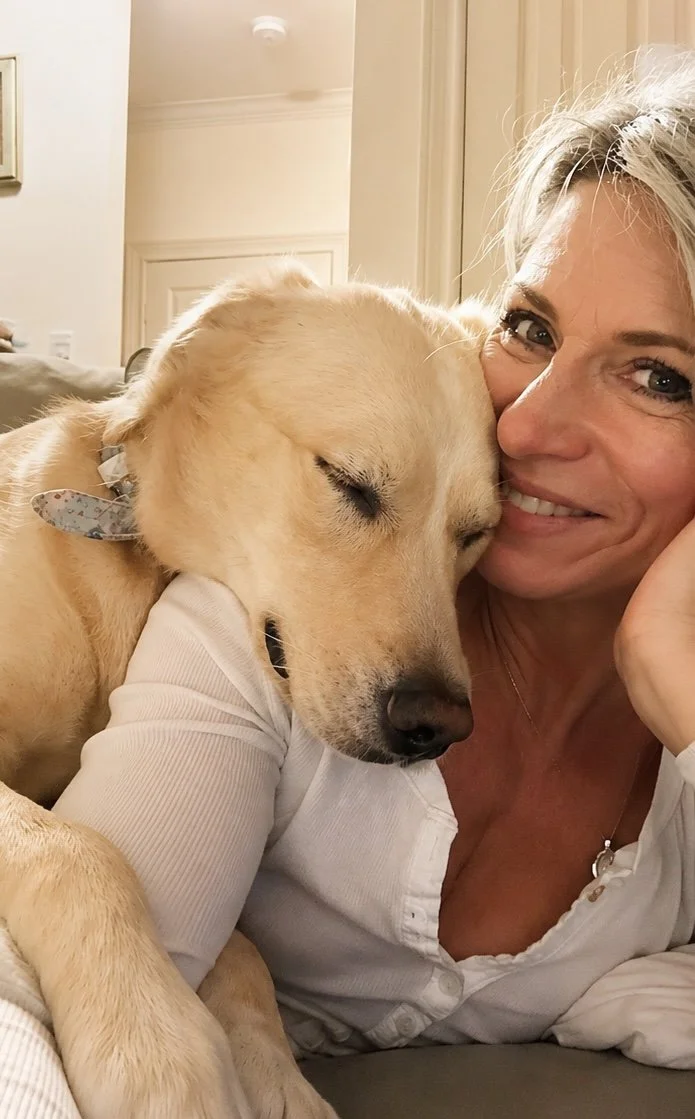
And although I’ve talked about my losses on social media, I’ve never sat down with a professional to talk about my grief. Honestly, I haven’t talked about it much with anyone personally. But I have talked about it. I’ve shared pictures. I’ve told stories. I’ve remembered birthday and anniversaries.
But maybe social media became one of the ways I found to talk about grief when I couldn’t necessarily explain what I was feeling face-to-face. And maybe some of those other things—the workouts, the outdoors, the connection, my dog—were helping me too.
I don’t need to look back now and decide whether I grieved the “right” way. In my opinion, there is no right way. Just the right way for you. What I can do is recognize what I’ve been through and become more aware of what my body may need now.
Grief Doesn’t Always Look Like Sadness
When we hear the word grief, we picture crying and sadness. But what if you’re not crying? What if you’re working? Exercising? Taking care of others? Starting something new? Showing up every day?
You can be functioning and still be carrying something. And recognizing that doesn’t mean we need to stop living our lives and analyze every difficult thing that’s ever happened to us. It simply gives us another piece of information.
Maybe that brain fog deserves a conversation with your doctor. Maybe your sleep needs attention. Maybe what you’ve been calling laziness is exhaustion. Maybe you’ve been pushing harder when what you really need is recovery.
Maybe Grief Doesn’t Need an Ending
I think for a long time I assumed grief was something you were supposed to work through and eventually put behind you. I’m not sure I believe that now. For example, I miss my dad every day. It’s going on eight years already.
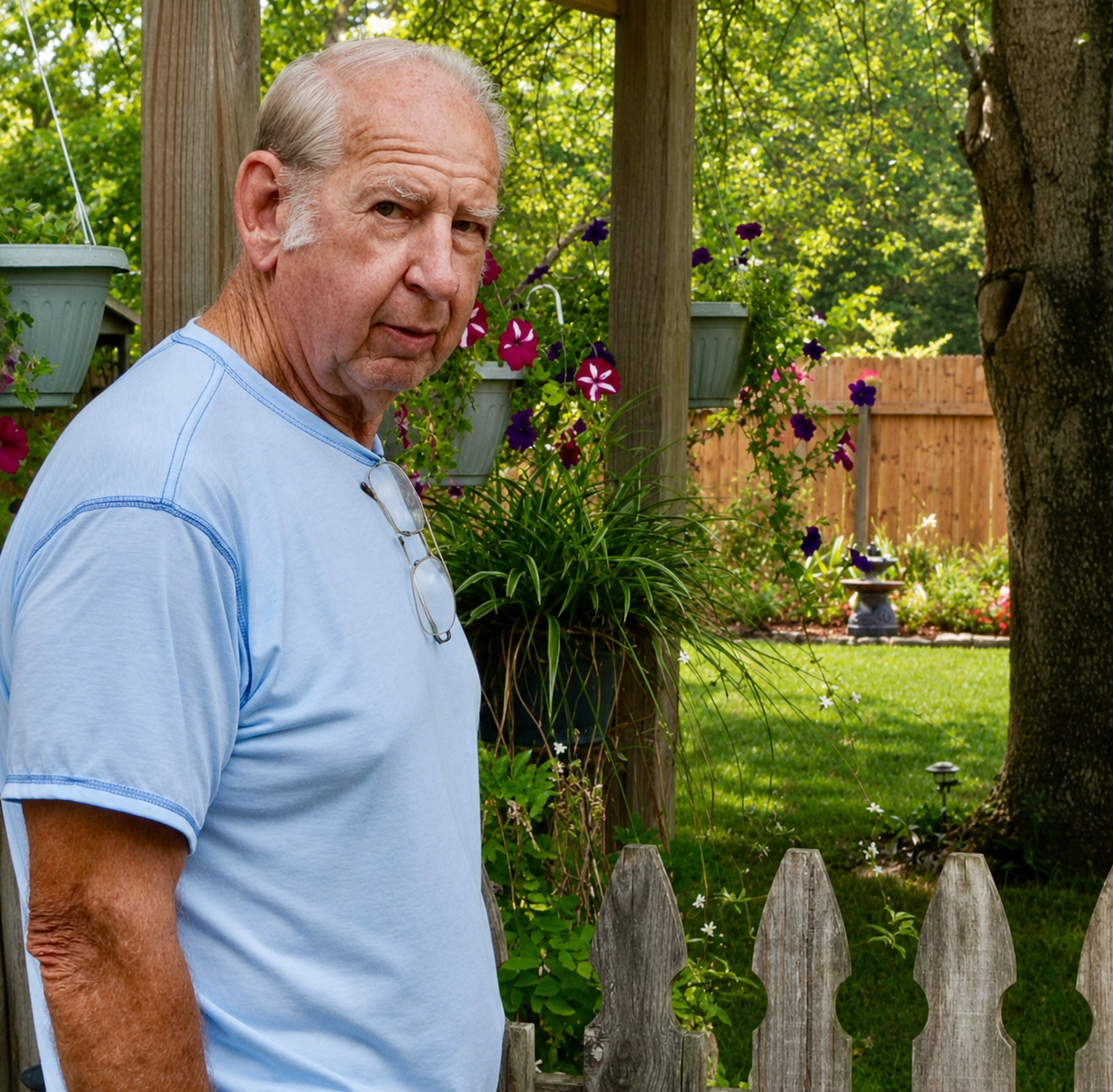
There were three things people knew about my daddy.
He loved his family.
He loved his birds.
He loved his yard.
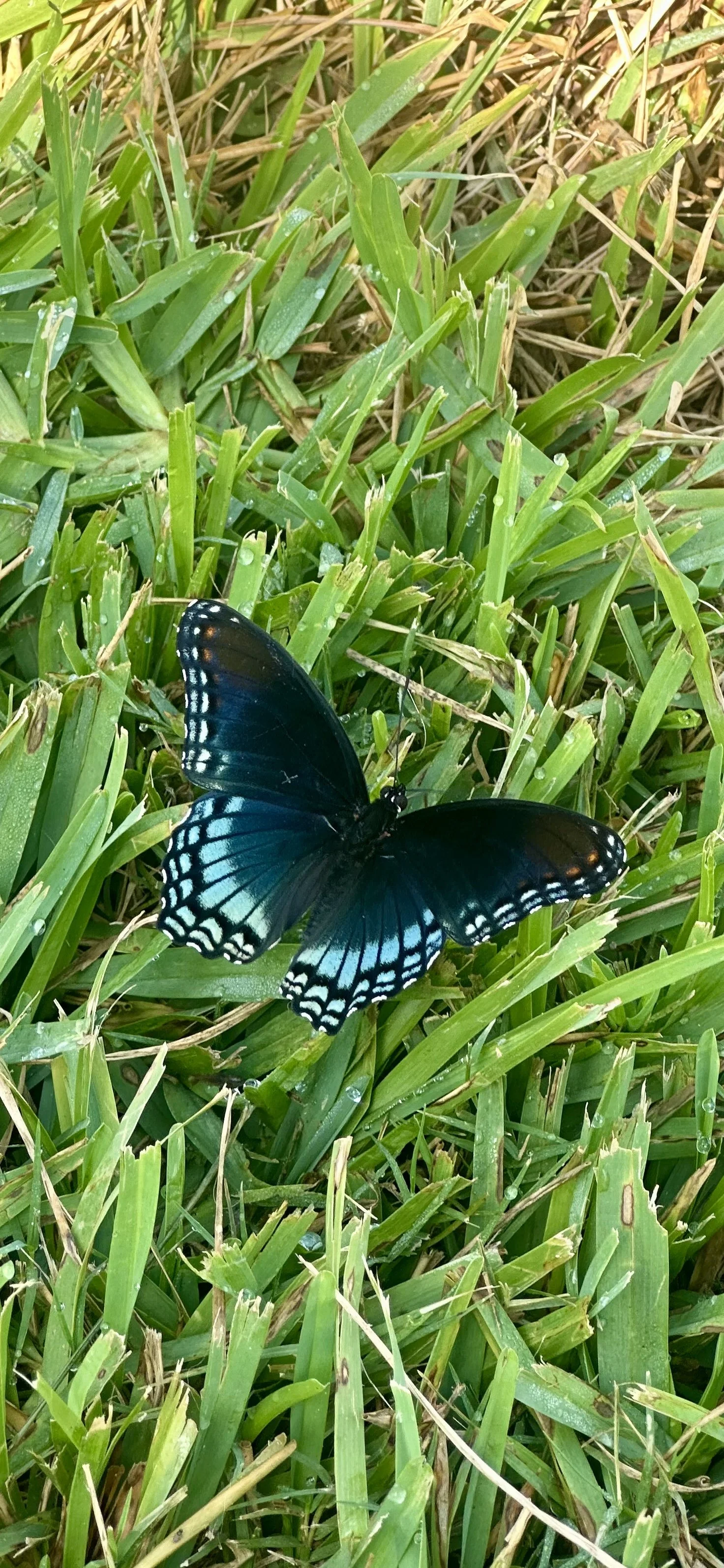
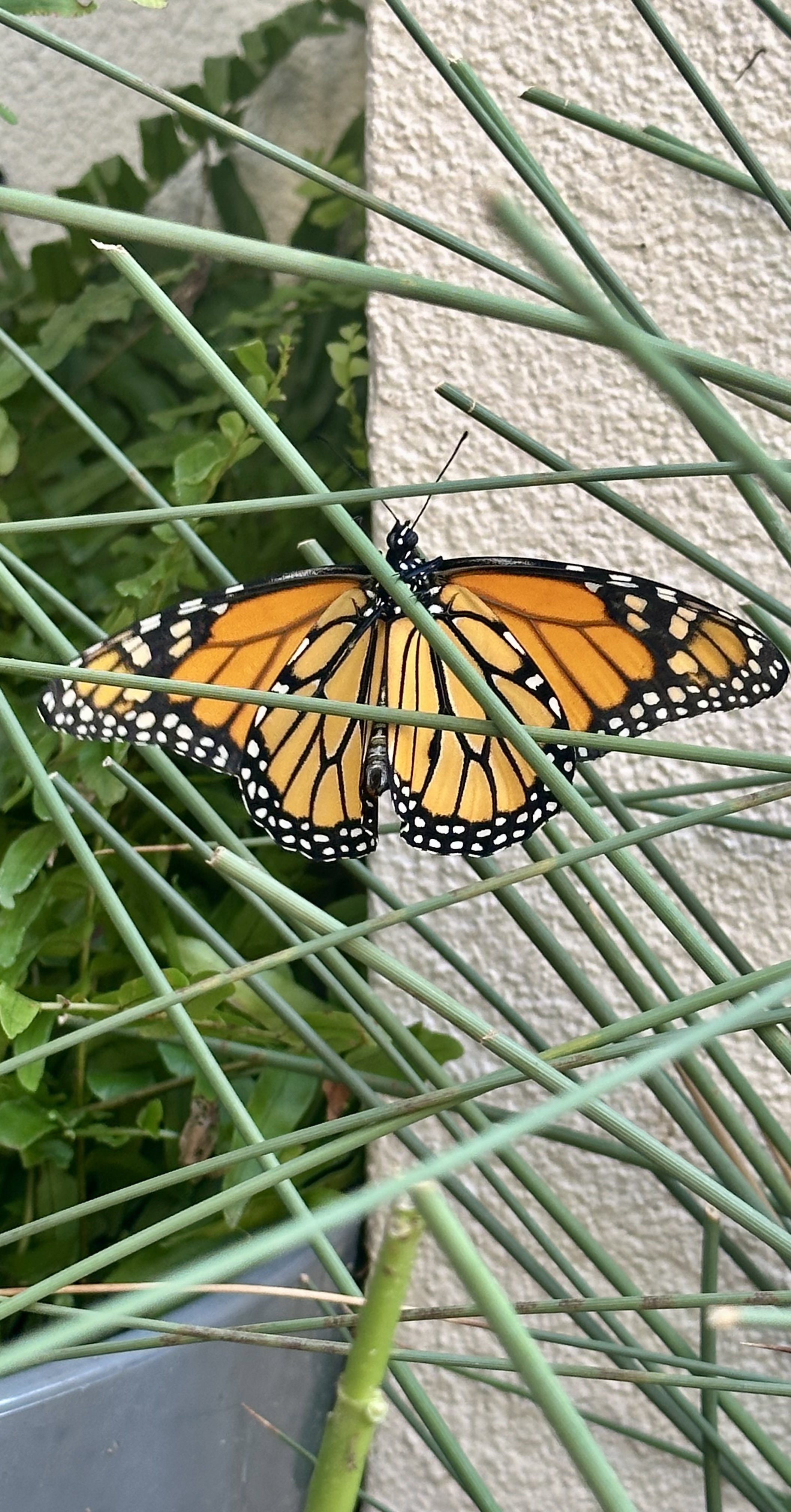
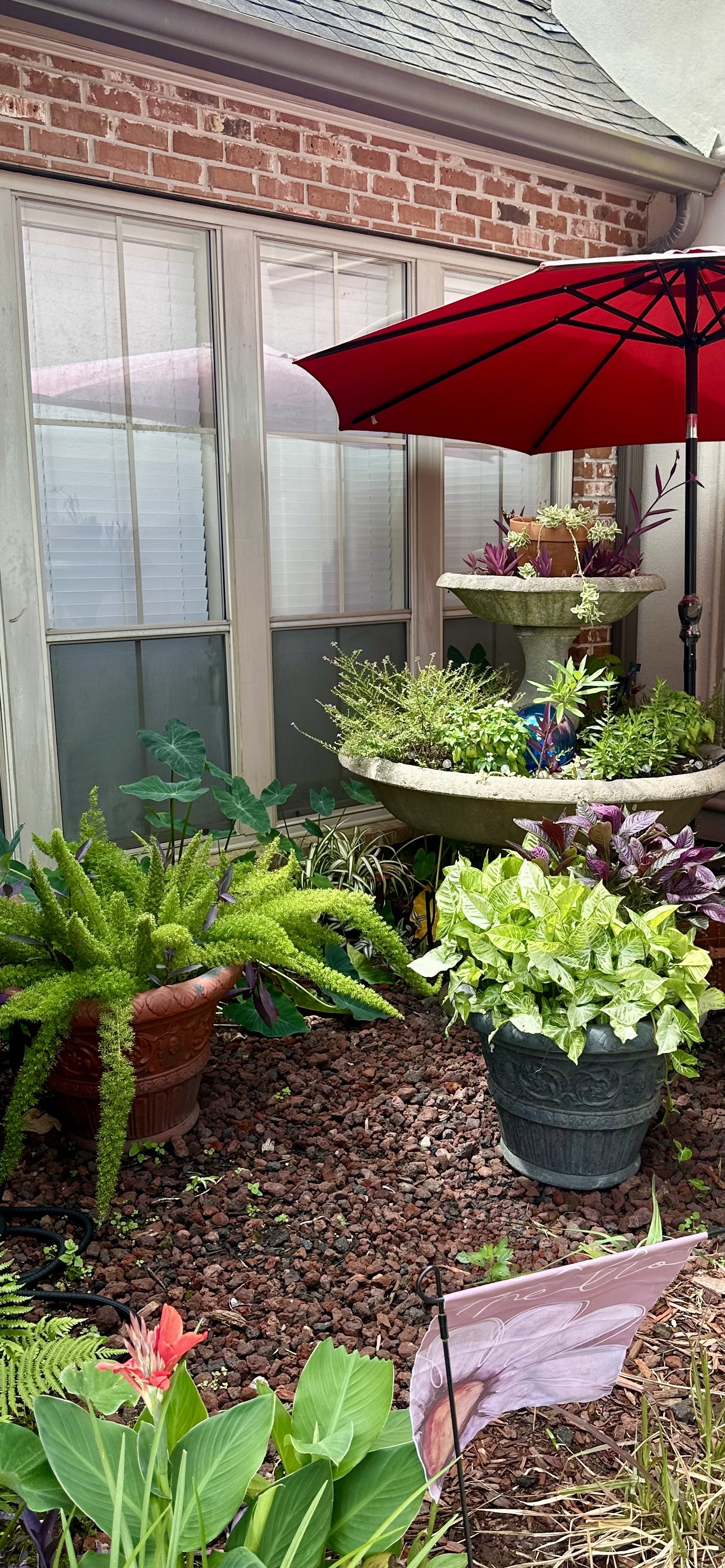
There are things about my life now that make me miss him in completely new ways. I have a home with flower beds that I love working in, and my dad loved his yard. I think about how much he would enjoy seeing what I’m planting, my butterflies and our backyard project. And I think he and Kevin would have become very close. There’s a sadness in knowing that they never got that chance. I know he would be overjoyed knowing that I’m in my safe place once and for all.

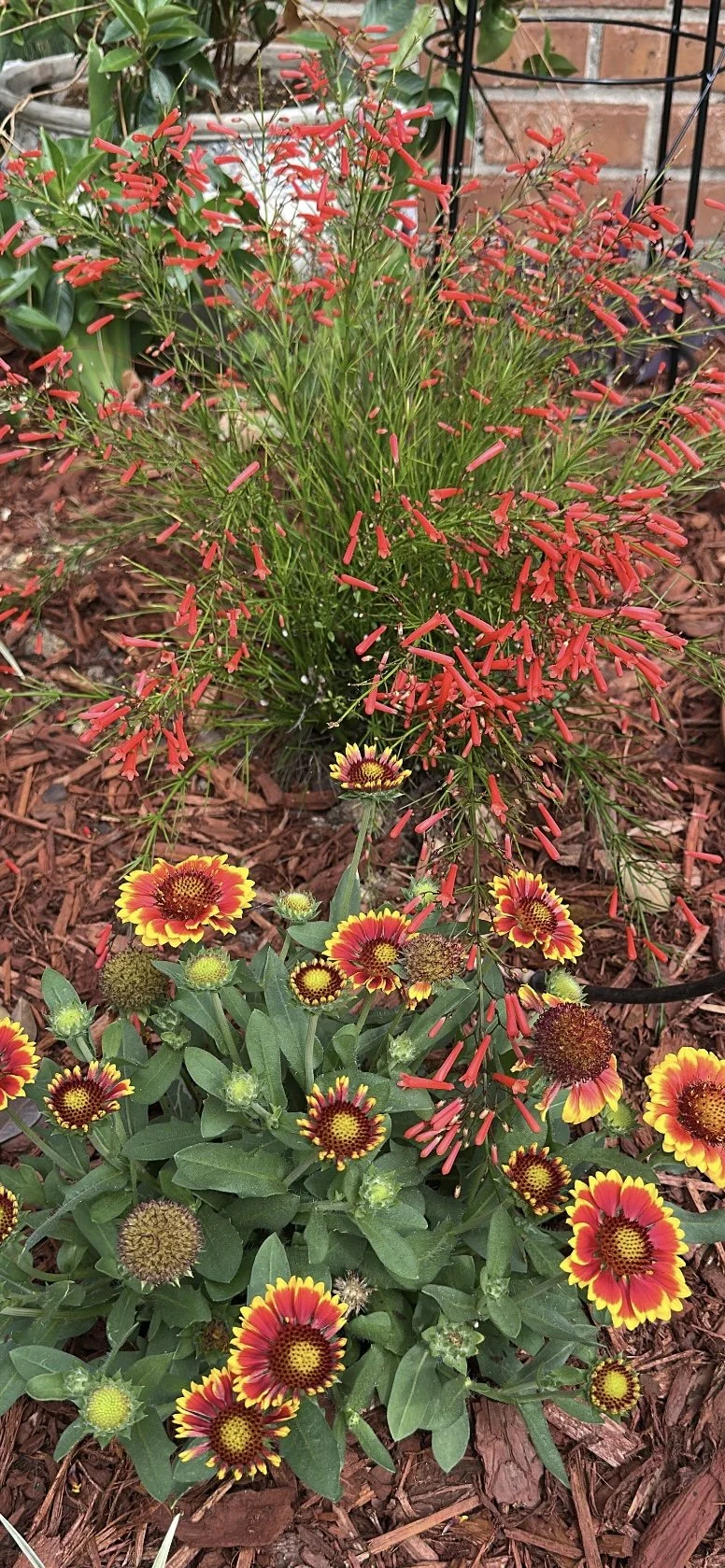
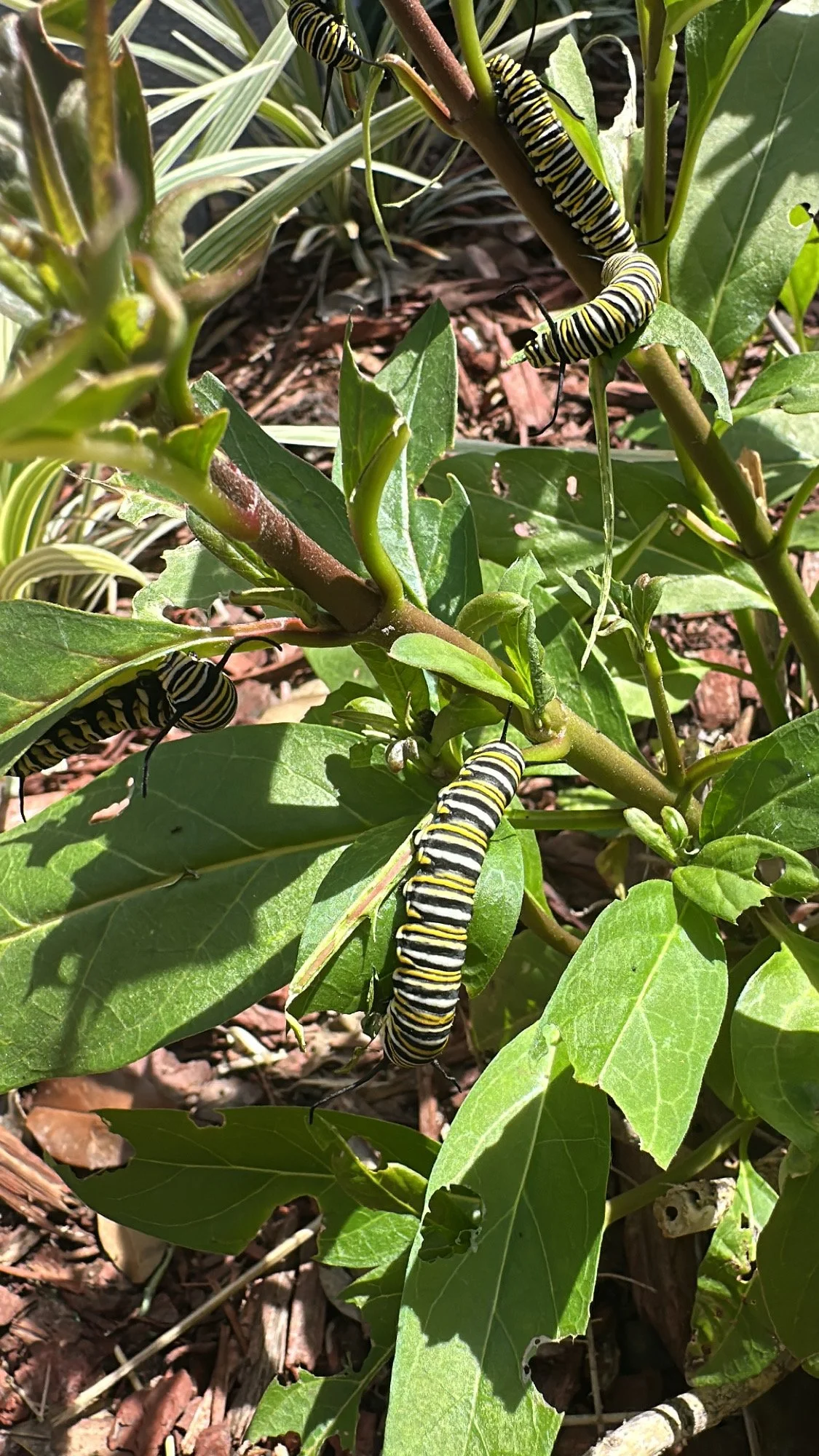
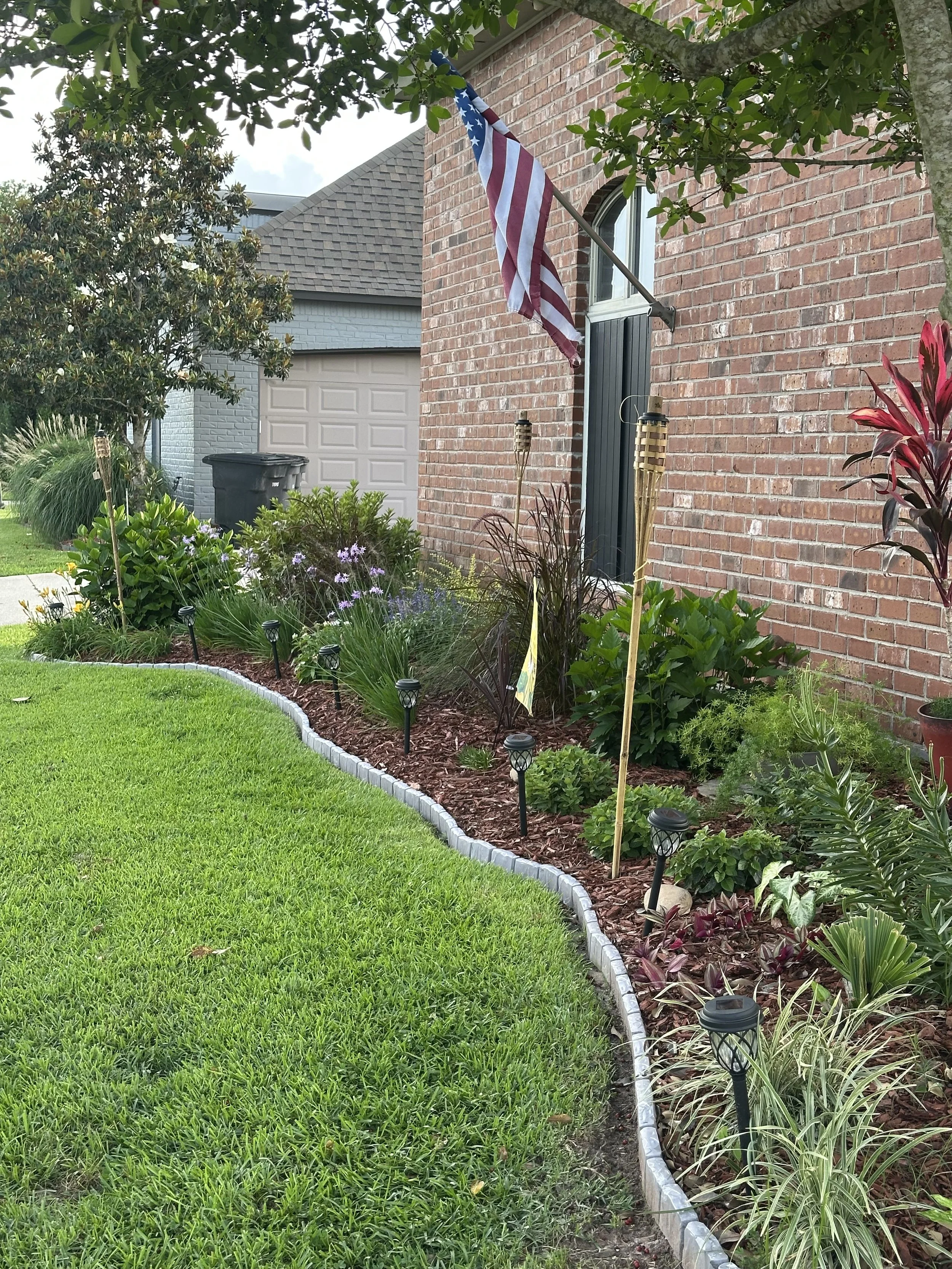
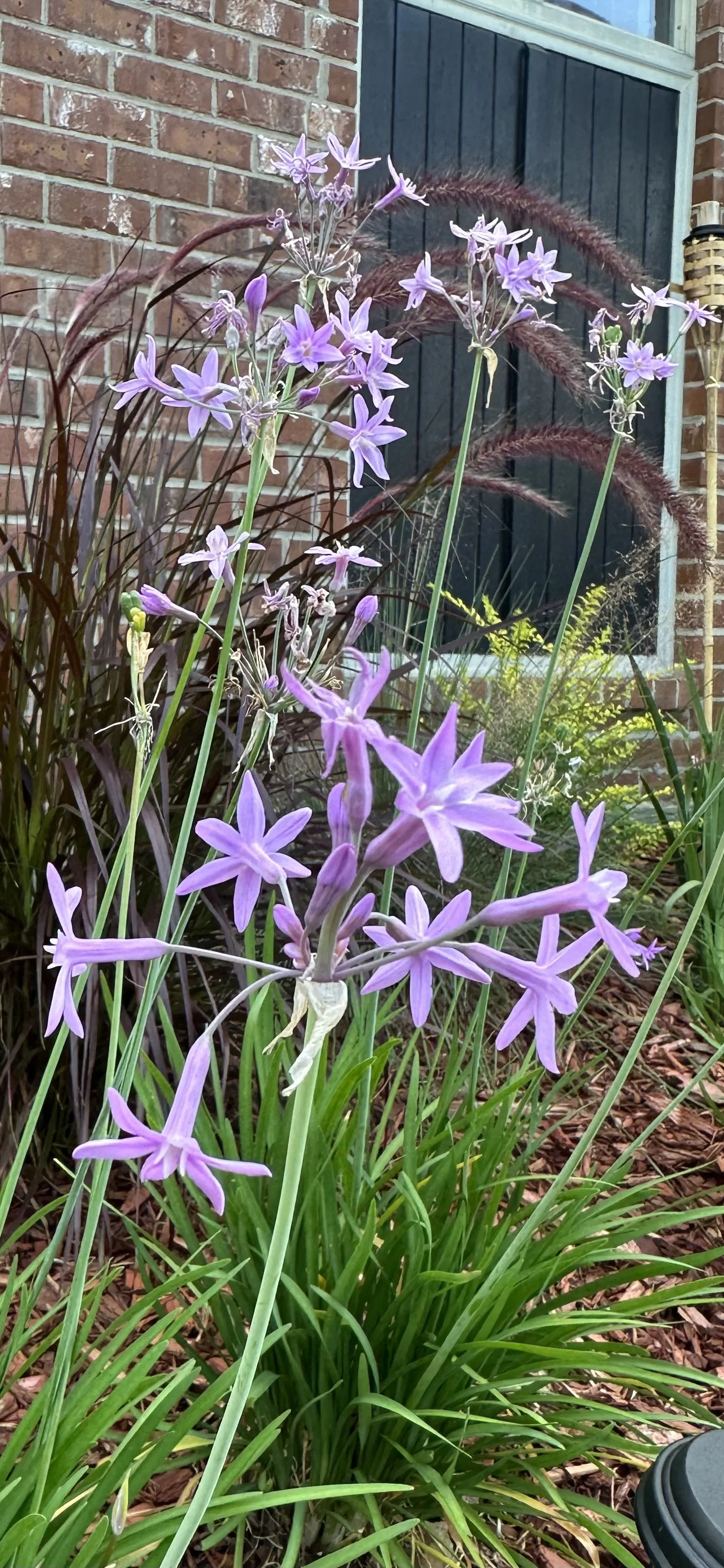
There is actually a concept in grief research called a “continuing bond”—the idea that our relationship with someone who has died can change rather than simply disappear. Remembering them, telling stories, looking at old pictures, or carrying pieces of what they taught us into our own lives can all be ways that relationship continues.
Maybe that’s what some of those posts have been for me all along. Not refusing to move on. Just making room for the people and animals I loved in the life that continued without them.
What I’m Taking from All of This
I can’t go back and determine exactly what caused every symptom I experienced. Was the brain fog COVID? Perimenopause? Grief? Stress? Lack of Sleep? A combination of it all? I’ll never know. But I don’t think I need to know anymore.
The questions I’m asking now are different: What has happened in my life? What has my body been responding to? What am I still carrying? And what would supporting myself look like now?
And I have been paying attention! I’ve made changes in how I eat, how I move, how I rest and recover, and how I approach my health in general. I’ve spent a lot more time learning about what’s actually happening in my body instead of getting frustrated with it. And my body is responding.
I’m feeling better than I have in years. I’m seeing positive changes. And most importantly, I feel like I’m finally at peace with my body instead of being at constant war with it.
Just as I can’t separate exactly how much of what I experienced was menopause, COVID, grief, lack of sleep, or everything happening at once, I can’t attribute feeling better to one single thing either. I’m taking care of the whole woman. Maybe that’s the bigger lesson. Our bodies don’t experience our hormones, our relationships, our losses, our sleep, our stress, our illnesses and our everyday lives separately. It’s all happening to the same woman.
And sometimes understanding what she’s been through—and paying attention to what she needs now—is a pretty good place to start.